Hair thinning and hair loss can affect more than your appearance—they can also impact confidence and how you feel about yourself. If you’re searching for the right hair loss treatment, you may be wondering about PRP vs. hair transplant and which option is best for you.
But which one is right for you?
The answer depends on your hair loss pattern, existing hair density, goals, and overall scalp condition. PRP and hair transplantation work differently, so understanding the difference can help you have a more informed conversation with a hair restoration specialist. At The Hair Mission, patients can explore PRP treatment and hair transplant options through a personalised approach to hair restoration.
What Is PRP Hair Treatment?
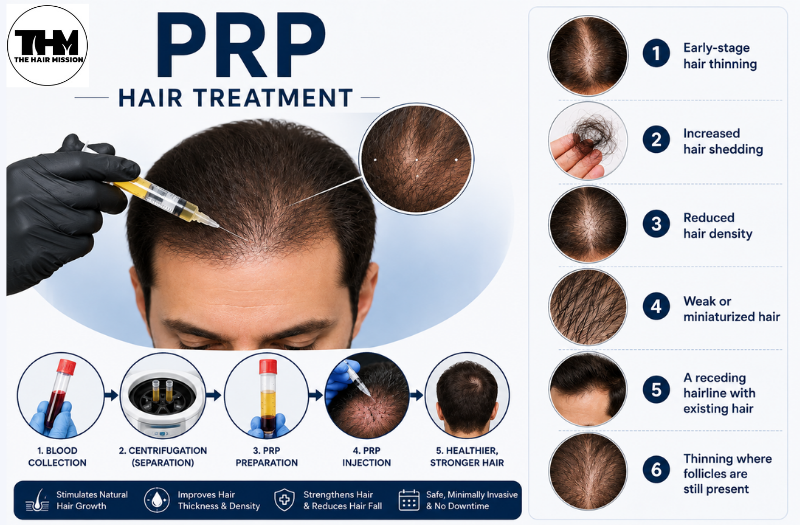
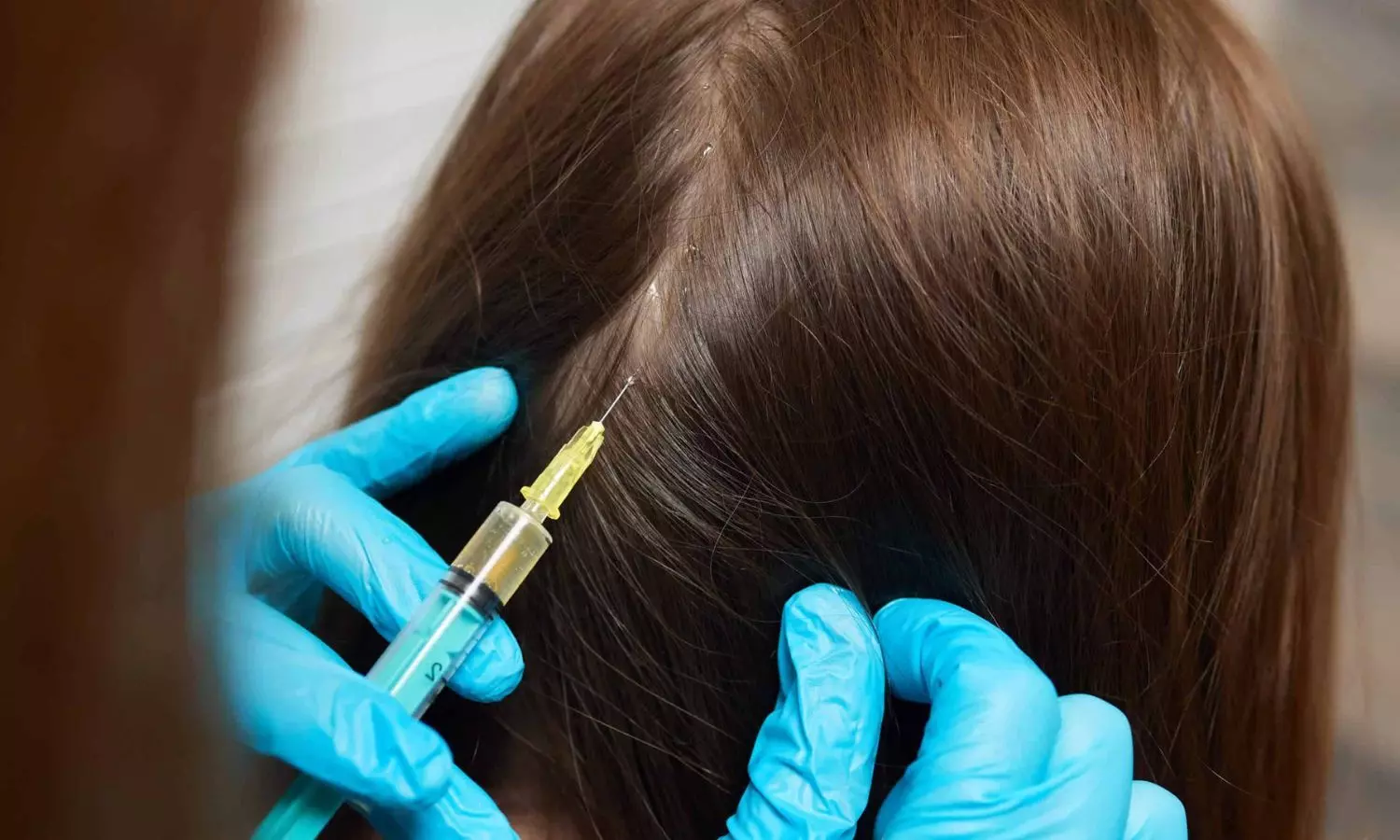
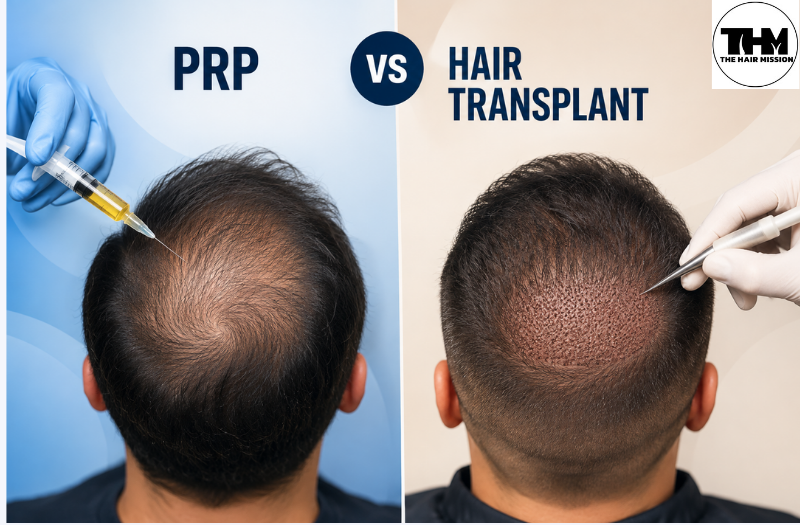
PRP (Platelet-Rich Plasma) is a non-surgical hair restoration treatment that uses components of your own blood.
During PRP treatment, a small blood sample is processed to concentrate the platelet-rich plasma. The PRP is then applied to targeted areas of the scalp to support existing hair follicles and encourage healthier hair growth.
The Hair Mission describes PRP as a treatment designed to stimulate hair growth and strengthen existing follicles. Its PRP program may involve an initial series of treatments followed by maintenance based on individual needs.
Who May Benefit From PRP?
PRP may be worth discussing if you are experiencing:
- Early-stage hair thinning
- Increased hair shedding
- Reduced hair density
- Weak or miniaturized hair
- A receding hairline with existing hair
- Thinning where follicles are still present
PRP is generally intended to support existing follicles rather than replace follicles that have been permanently lost. Your specialist should evaluate whether your follicles are suitable for treatment.
What Is a Hair Transplant?
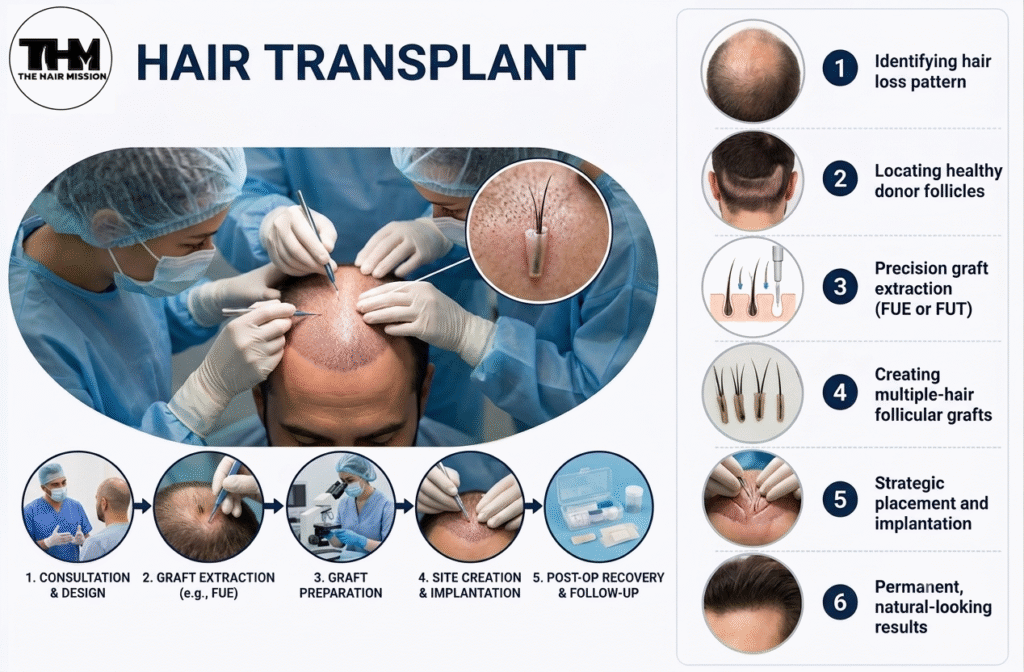
A hair transplant is a surgical hair restoration procedure that moves healthy hair follicles from a donor area—typically the back or sides of the scalp—to areas affected by thinning or hair loss.
The Hair Mission offers FUE hair transplantation, in which individual follicular units are extracted and implanted into the recipient area.
Hair transplantation can be used to address concerns such as:
- Receding hairlines
- Bald or thinning areas
- Crown thinning
- More advanced hair loss
- Areas where significant hair density has been lost
PRP vs. Hair Transplant: What’s the Difference?
| Feature | PRP Treatment | Hair Transplant |
| Type | Non-surgical | Surgical |
| Main goal | Support existing follicles | Add follicles to thinning/bald areas |
| Best suited for | Early or moderate thinning | More significant hair loss |
| Uses your own follicles? | Yes | Yes, follicles are relocated |
| Downtime | Generally minimal | Requires recovery and aftercare |
| Results | Gradual | Gradual |
| Maintenance | May require ongoing sessions | Transplanted hair is intended as long-term restoration |
The right option depends on the individual. There is no single treatment that is best for everyone.
PRP vs Hair Transplant: Which Should You Choose?
PRP May Be a Better Option If You Have Thinning Hair
If you are still growing hair in the areas where you are experiencing thinning, PRP may be an option worth discussing.
The goal is to support the follicles you already have and potentially improve hair thickness and density over time.
A Hair Transplant May Be Better for Significant Hair Loss
If you have areas with substantial hair loss or baldness, a transplant may be more appropriate because it physically moves hair follicles into the areas where additional coverage is needed.
The Hair Mission offers FUE transplantation for frontal hairline and crown concerns, depending on the patient’s individual needs.
Sometimes, Treatments Can Work Together
PRP and hair transplantation do not necessarily have to be viewed as competing treatments.
Depending on your individual treatment plan, PRP may be considered alongside hair restoration to support existing hair and overall scalp care. The most appropriate approach should be determined during a professional consultation.
How Long Does It Take to See Results?
Hair restoration requires patience.
With PRP, improvements generally develop gradually over several months rather than immediately. The Hair Mission states that PRP results, including changes in hair density and thickness, generally begin to become visible after a few months.
Hair transplant results also take time. The Hair Mission notes that transplanted hair may begin showing results around six months, although the exact timeline varies from patient to patient.
Your Hair Loss Is Unique—Your Treatment Should Be Too
When comparing PRP vs. hair transplant, the most important question isn’t simply which treatment is better. It’s which treatment is appropriate for your type and stage of hair loss.
PRP may be suitable for people who still have active but weakened follicles, while a hair transplant may be considered when greater hair coverage is needed.
A professional assessment can help determine whether PRP, FUE hair transplantation, or another approach is appropriate for you.
Ready to Explore Your Hair Restoration Options?
Don’t let hair loss make you feel like you’ve run out of options. The Hair Mission offers personalized hair restoration solutions designed around your individual needs.
Book a consultation with The Hair Mission today and take the first step toward restoring your hair and confidence. And follow us on Instagram and check out more of my work!!