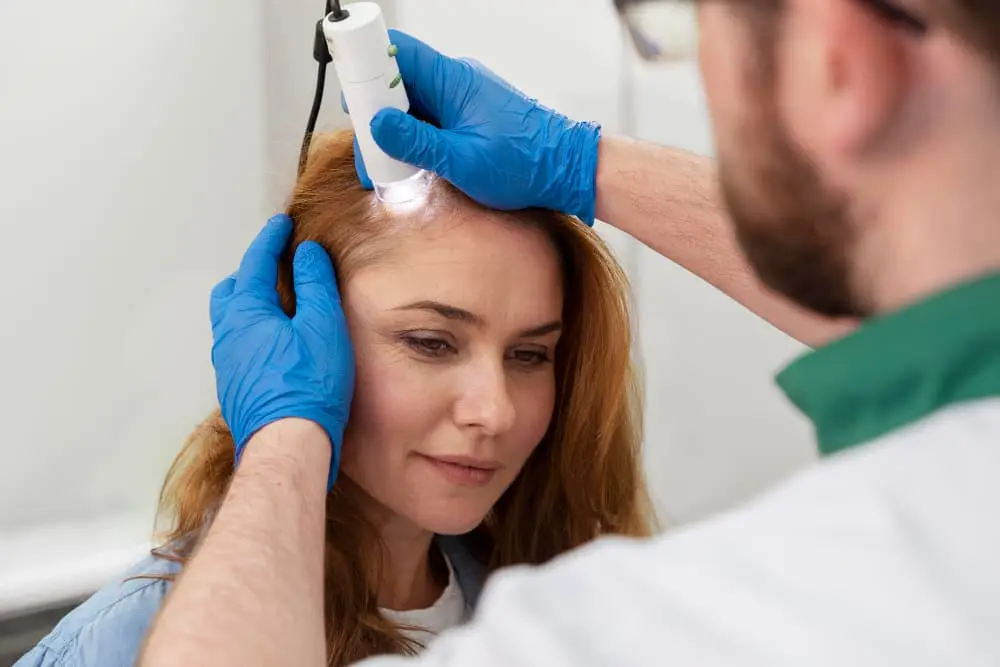
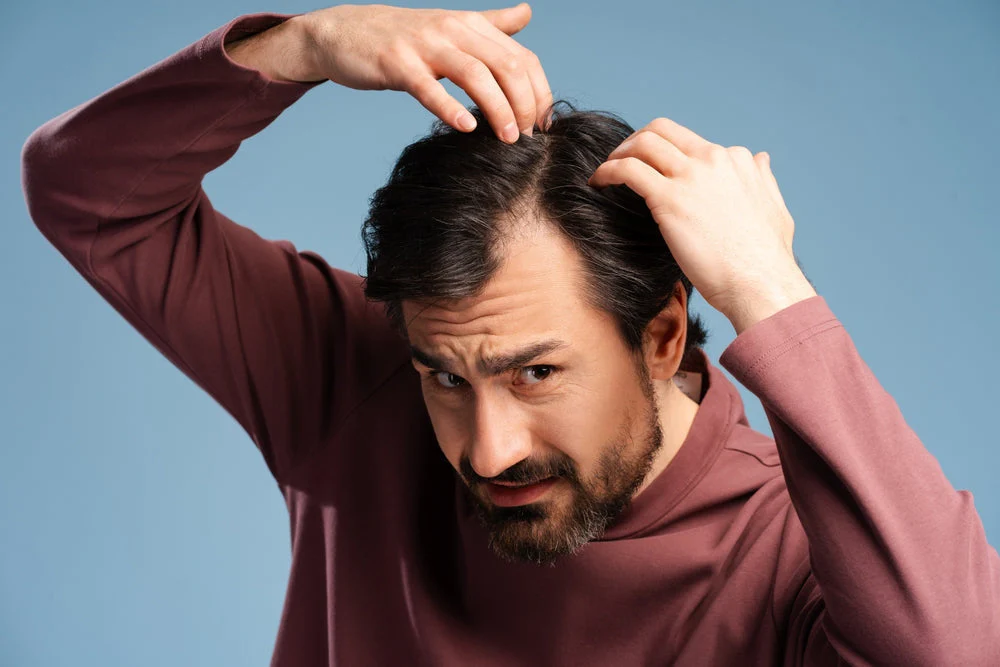
Hair loss is one of the most common concerns among men—and statistics reveal just how widespread it is. Studies show that around 50% of men will experience some degree of hair loss by the age of 50. While this might sound alarming, it’s important to understand the causes, stages, and available solutions before you start worrying.
Why Does Hair Loss Happen?
The most common reason behind hair loss in men is androgenetic alopecia, also known as male pattern baldness. This condition is largely influenced by genetics and hormones, particularly DHT (dihydrotestosterone), which shrinks hair follicles over time. Other contributing factors include stress, nutritional deficiencies, medical conditions, and lifestyle habits.
Signs You Might Be Experiencing Hair Loss
Early detection can make a big difference. Some common signs include:
- Receding hairline, especially around the temples.
- Thinning on the crown or top of the head.
- More hair shedding on your pillow or in the shower.
- Gradual loss of volume and density.
Can Hair Loss Be Prevented or Reversed?
While genetics play a big role, modern treatments have made it possible to slow, stop, or even reverse hair loss in many cases. Popular options include:
- Topical treatments like minoxidil.
- Prescription medications that target DHT.
- Hair transplant procedures for permanent restoration.
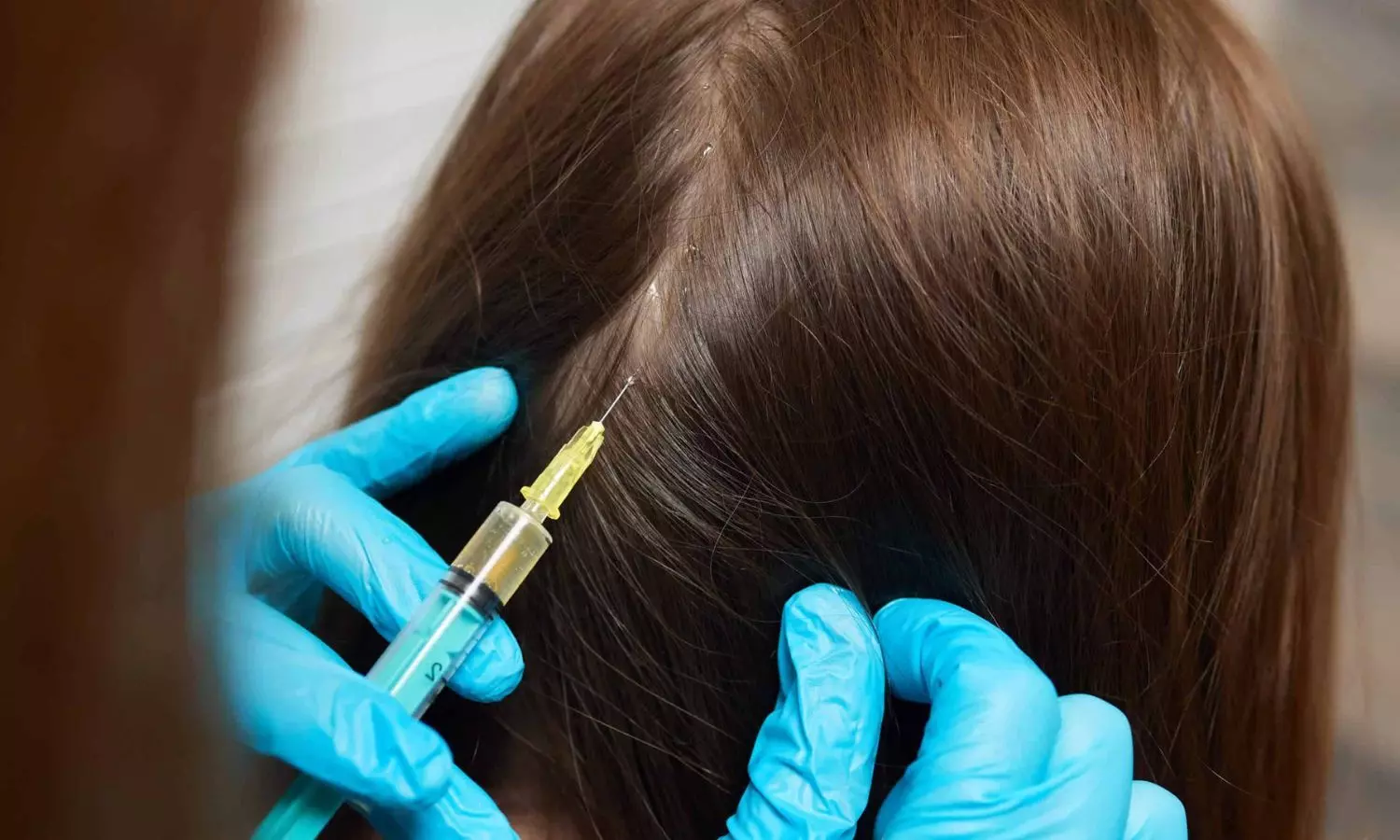
- Laser therapy and scalp microneedling to stimulate growth.
- Healthy diet and stress management to support natural hair strength.
Embracing Confidence—With or Without Hair
Whether you choose to treat your hair loss or embrace your natural look, confidence is key. Many men find empowerment in understanding that hair loss is a normal, shared experience, not a flaw.
By staying informed and exploring your options early, you can make the best choice for yourself—because healthy hair starts with a healthy mindset.